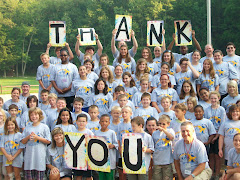
Where children learn to grieve and heal.

Insider updates from the Camp Erin Department.

Thanks for stopping by the Camp Erin Blog! You will not only find the most up to date info happening with Camp Erins across the country, but also some great resources and applicable information for grieving families.

Camp Erin is the largest bereavement camp in the country - designed for youth ages 6-17 who are grieving the loss of someone close to them. It is a weekend-long experience filled with traditional, fun, camp activities combined with grief education and emotional support — facilitated by grief professionals and trained volunteers from local hospice and grief counseling agencies. Camp Erin is the largest network of bereavement camps in the United States with 36 camps in 23 states. More than 2,500 greiving children and teens will receive the healing experience of Camp Erin this year!


Showing posts with label D - Bereavement Information. Show all posts

September 27, 2010

Back to School - Helpful Tips for the Grieving Student

Teachers and students of all ages are back in school and catching up from the fun summer months. With new schedules in full swing, it can be even more difficult for a grieving student to cope with his or her feelings while managing their studies. Anyone close to a grieving student can use these eight tips to make the transition back to school easier:

1.) Allow a grieving student to express how they feel in his or her own words.

2.) Be patient and give them time to adjust to their new schedule and schoolwork.

3.) Be honest with the grieving student. Knowing the truth helps them to understand and heal.

4.) Encourage the student to ask questions about the loss. Helping them to understand death will allow them to make correct interpretations.

5.) Grieving is hard work and every person expresses grief differently. Support your student regardless of how they may express their grief.

6.) Encourage your student to be open about what he or she needs from you. Let them know that they can always reach out to you for support.

7.) Connect them to resources outside the classroom. This could be a school psychologist or librarian. Allowing a student to leave the classroom when necessary will help when he or she needs personal space.

8.) Make sure to take time for you to grieve. The loss of someone close to your student may be affecting you as well. The more you let yourself heal, the better you will be at understanding your student’s grief.

Knowing how to help a grieving student can make the transition back to school easier and more comfortable for everyone. For more on these tips, visit  Help Your Student Deal with Grief and Loss.

September 10, 2010

Healing through Creativity

Guest blog by Kerri Schlottman, Director of External Relations, Alliance for Young Artists & Writer

Every year the Alliance for Young Artists & Writers is fortunate to witness the incredible talent of creative teens from across the country who submit their work to the Scholastic Art & Writing Awards. The words we read and the artwork we view tell a multitude of stories about the experiences of teenagers from all walks of life. On September 15 we will once again open registration for students in grades 7 through 12 to submit their work in 30 categories of art and writing. We know that we’ll see a breadth of imagination and a depth of emotion. And now, thanks to a sponsorship by the New York Life Foundation, we will also be able to encourage students who are dealing with issues of loss and bereavement by offering six very special scholarships to select award winners.

The issue of loss is a common theme in the Scholastic Awards as teens use their creativity to deal with the bereavement process. 2009 Scholastic Award winner Chelsey Shannon used her creative writing skills to help deal with the untimely death of her father, comedian Blair Shannon. Chelsey, who also lost her mother at age 6, says of her father’s death, “Right after I learned he died, all I could do was write letters to him, just so I’d have some sort of connection.” Chelsey was one of more than a thousand teens honored at Carnegie Hall by the Alliance. She has since published a book and continues to receive accolades for her writing.


There are many others like Chelsey out there, and we are grateful to the New York Life Foundation for providing us the opportunity to encourage them to use their artistic and literary talents to help them heal. Please spread the word by encouraging every teen you know in grades 7 through 12 to submit works of art and writing that deal with loss and bereavement to the 2011 Scholastic Art & Writing Awards. Six students will be selected to earn $1,000 scholarships. For more information, visit http://www.artandwriting.org/.

For specific information on the New York Life Award:

April 19, 2010

NEW edition of the Camp Erin Alumni Newsletter!

The Camp Erin team at The Moyer Foundation recently completed the Spring/Summer edition of the Camp Erin Alumni newsletter, the Blue Heron Reporter! This is a great edition packed with helpful hints and activities for enjoying the spring/summer months, additional resources and stories of inspiration for when times get tough. The goal of every Blue Heron Reporter is to keep Camp Erin campers feeling connected to the larger Camp Erin community by sharing camp highlights and stories from across the country while also offering fun resources and sources for support. Enjoy!


April 7, 2010

The first Camp Erin of the year is here!!

Best of luck to Camp Erin Tampa Bay as they finalize plans for camp this weekend! All of us at The Moyer Foundation are thinking of you and all the grieving kids and teens you will help this weekend!

Thank you for all of your hard work!

April 1, 2010

Children - The Forgotten Grievers by grief expert David Kessler

Beginning in April 2010, grief expert David Kessler is publishing a bi-monthly column, "Kessler Grief Corner".

"Welcome to my column. I hope to provide you with information, comfort, tips and maybe a few touching stories about twice a month. You may be facing some of the most difficult times of your life and dealing with the unfamiliar terrain that death and grief can bring. I hope these words help."

— David Kessler

 
Children - The Forgotten Grievers is an insightful article about children and how to address the grief they feel when a loved one dies.
READ HERE!

March 25, 2010

Seattle Children's Theatre production of "Getting Near to Baby"

We were invited to the production of "Getting Near to Baby" at the Seattle Children's Theatre.  The show is about a family who is suddenly dealing with the death of their infant sister.  We often hear from Camp Erin alumni many of the common themes seen in the production - from the little sister thinking her actions caused her younger sister to die, the older sister protecting the family or the reactions of the adults who are thinking they are helping without realizing people deal with grief in their own way.  It was an amazing production where you are laughing and crying, it truly was a magical evening.  The show runs until April 18th, for more information go to:  http://www.sct.org/browse/Production.aspx?prod=5919.

March 16, 2010

2010 National Bereavement Camp Conference - Cleveland, OH

Time to register for the first annual National Bereavement Camp Conference!

The Moyer Foundation is holding it first 2010 National Bereavement Camp Conference on June 26 in Cleveland, Ohio. The conference will provide an overall view of bereavement camp structures and best practices across the country by creating a forum of exchange, learning and collaboration through sharing of timely clinical information, programs, advances in research and successful ideas for new or existing bereavement camps. 

Learn more about this exciting new conference and register at http://moyerfoundation.givezooks.com/events/national-bereavement-camp-conference 

Please contact Lynette Moore at lynette@moyerfoundation.org with any questions.

March 1, 2010

Skating through Grief

With the 2010 Vancouver Olympics complete, we find ourselves looking back at the memorable moments from the games. Perhaps one of the most compelling moments came during the women's figure skating competition when Canadian skater Joannie Rochette took to the ice after the tragic death of her mother and biggest fan just 2 days prior. Joannie skated with amazing grace and a quiet strength that could be felt by all who watched.

Pamela Gabbay writes of the tragedy in her recent article "Skating for Her Mother" for Open to Hope. Click here to read more! Pamela is a nationally recognized bereavement expert  as well as the Director of Camp Erin Palm Srings and Program Director of the Mourning Star Center for Grieving Children in Palm Desert, CA.

Our thoughts and prayers are with the Rochette family during this difficult time. May you find peace in your memories.

December 14, 2009

More bereavement tips for the holidays - from Gloria Lintermans and Dr. Marilyn Stolzman

A few more helpful tips for bereavement and the holidays:

GRATITUDE - When we are grateful for life's blessings and for what we have, we distract ourselves from what is wrong with our lives. We fixate and ruminate less on what is missing. Being thankful for our children, our healthy minds and bodies. Being willing to be appreciative all the small things in our lives that make up the big things. Our ability to see, to hear, to think, to reflect, to notice, to enjoy and to feel deeply increases our sensitivity and awareness of the world around us.

EXERCISE - Exercise is a good antidote for stress through the holidays and stress at other times as well. Enjoying exercise on a regular basis is something good to include in our lives. Whether we walk, swim, bike ride or hike, moving our bodies allows us to be outdoors and observe nature. It often takes us out of ourselves and into the world. It may distract the griever from the constant state of anxiety which often accompanies early grieving. We release endorphins in our brain when we exercise that give our mood a lift. Exercise is often prescribed for depression and depressive thoughts.

NUTRITION - The bereaved often cannot eat, do not enjoy food, or may be inclined to eat too much or eat junk foods. Often the grieving person loses interest in food shopping because they don't know how to shop for one, or they don't want to cook for themselves. Appropriate nutritional habits are important through the grieving period because the immune system is down due to stress. Everything one can do to stay healthy is helpful. One of the signs that the bereaved is doing better is the indication that they care again about proper nutrition and make the effort to eat more than cheese and crackers. If a bereaved person was a caregiver and spent a lot of time cooking for an ill spouse they would have to learn to slowly convert this energy and give themselves permission to take good care of themselves. This is appropriate and not an indulgence. It is not selfish; it is good self-nurturing.

ADEQUATE REST - Sleep often gets disturbed during times of extreme stress. Being mindful of getting enough sleep is a good idea since sleep patterns can be interrupted. People often report that they may fall asleep but have trouble staying asleep. If one was used to sleeping in a bed with their spouse, there is an increased awareness of the empty bed. People tend to oversleep or not sleep enough during high stress times. Listening to soothing music before bedtime is relaxing; not listening to the news before going to bed is a good idea. It is important to not over stimulate the mind at least an hour before bedtime.

FAMILY AND FRIENDS - Reaching out to family and friends is particularly helpful at holiday time. Calling and making arrangements for activities and having plans are useful for getting through the holidays. Friends and family can provide comfort, safely, warmth and love. Surround yourself with the people that bring out the best in you. Talk to your friends and allow them to include you in their plans. Accept invitations, try to laugh and see funny movies. Be less attached to being a third wheel and more attached to how wonderful it is to have people in your life that care and want to be with you. Initiate a dinner or a movie or some activity to share. Be with friends or family members that help you decrease your stress not increase it and look forward to the fact that next year will be easier for you. It is the first experience of holidays that is the most difficult to get through. Encourage yourself to participate. Hopefully, next year will be easier and you will have more events to look forward to that bring you joy.

November 24, 2009

Helpful Hints for Grieving Families to Get Through the Holidays


The holidays can be a difficult time for those grieving the death of someone close to them. Whether starting a new family ritual of continuing your favorite tradition, it's important to recognize this time of year can be hard and to prepare yourself for what lies ahead. Here are a few ideas to help you get through while remembering and honoring the person you held dear:
  • Talk with your parent or guardian about ways that you are going to remember your special loved one during the holidays.
  • Start a new family ritual. Go for a walk to look at holiday lights, light a special candle, set a place for your loved one.

  • Visit a local ceramic shop and customize special holiday cups, plates, or dishes to use during the holidays.
  • Write memories of your loved one on scraps of colorful wrapping paper then place them in a clear jar or bowl to put out for a colorful display with meaning.

  • Create a support chain with memories of loved ones written on each link.

Above all, do your best to enjoy the holiday season and take time to appreciate all the wonderful things you have to be thankful for!

(Thanks to contributing members of the NAGC Griefinar: "Strategies for Helping Families Through the Holidays.")

September 4, 2009

September Bereavement Resources for kids, teens and parents

YOUTH
Sad Isn’t Bad – A Good-Grief Guidebook for Kids Dealing With Loss
By: Michaelene Mundy
Sad Isn't Bad is a special book to help children who have lost a loved one or will be facing the loss of a loved one. The reader joins Elf as he guides children through the process of grieving and teaches them that the emotions they are feeling are perfectly normal. Sad Isn’t Bad allows children to cope with their loss while providing a safe environment to grieve and grow.

WEBSITE:
http://kidsaid.com/
Is a safe place where kids can come together and help each other go through the process of grief and dealing with a loss. Kidssaid.com provides kids with a secure place to express their feelings, stories and share artwork with others who are going through a similar loss.

TEEN
The Grieving Teen: A Guide for Teenagers and Their Friends
By: Helen Fitzgerald

In this guide, Fitzgerald focuses on the unique needs of adolescents struggling with loss and gives them the tools they need to work through their pain and grief. Fitzgerald covers a broad range of situations in which teens may find themselves grieving a death, and helps teens address the difficult emotions they will experience along the way.

PARENTS
How To Go On Living When Someone You Love Dies
By: Therese A. Rando

Regardless if death is sudden or anticipated, few of us are prepared for it or for the grief it brings. There is no right or wrong way to grieve and each person will respond differently. Rando leads you gently through the painful but necessary process of grieving and helps you find the best way for yourself to handle the loss of a loved one.

September 3, 2009

Helpful Back to School Hints for grieving kids and teens


Helpful Tips for Back to School

Going back to school after the death of a loved one can be very difficult. It is normal to feel nervous about returning to school. Below are some ideas to help you transition back to school and stay healthy.

* Talk to your teacher. Meet with your new teacher before school starts, and tell them in your own words about the death of your loved one and how you feel. Also, let your teacher know if you would like them to share the information with your class.

* Sweet Dreams. Grieving is tiring, and it is very important that you get plenty of sleep when you go back to school. Kids age 6-12 need 10-11 hours of sleep each night, and teens age 13-18 need 8-9½ hours of sleep each night. Sleep tight!

* Express Yourself. Even if you don’t feel like talking there are a lot of ways to express
your emotions and honor the memory of your loved one. You can start writing in a journal about the memories you have about the person you lost and how you are feeling.
* Exercise. Exercise makes you feel good and can actually put you in a better m
ood! Being active helps reduce anxiety, cope with stress, and strengthens self-esteem. So ride you bike, join a sports team, dance, go for a hike, and play with your friends!

* Eat right. You may not feel hungry or want to skip meals, but your body needs nutritious foods. Make your lunch with your parent or guardian and fill your lunch box with lots of yummy fruits and vegetables!

* Ask for help if you need it. Sometimes it's hard to ask for help because we worry about burdening others. Chances are your family and friends are looking for ways to help you, so don’t be afraid to ask! Also, remember the Camp Erin staff is there for you! Your parent or guardian can help you get in touch with them if you need support.